Restaurant Management Software in 2026: A Fragmented Market
In 2026, the restaurant management software market has never been richer — or more complex. Between traditional POS systems, QR ordering platforms, mobile payment tools, and reservation software, fully digitalizing a restaurant can require 3 or 4 separate subscriptions, multiple interfaces to train your team on, and customer data scattered across different systems.
This comparison helps you navigate the landscape: the main solutions available, their strengths, their limits, and the type of restaurant they suit best.
5 key criteria to evaluate restaurant software
- Digital ordering: QR code menu, table ordering by the customer
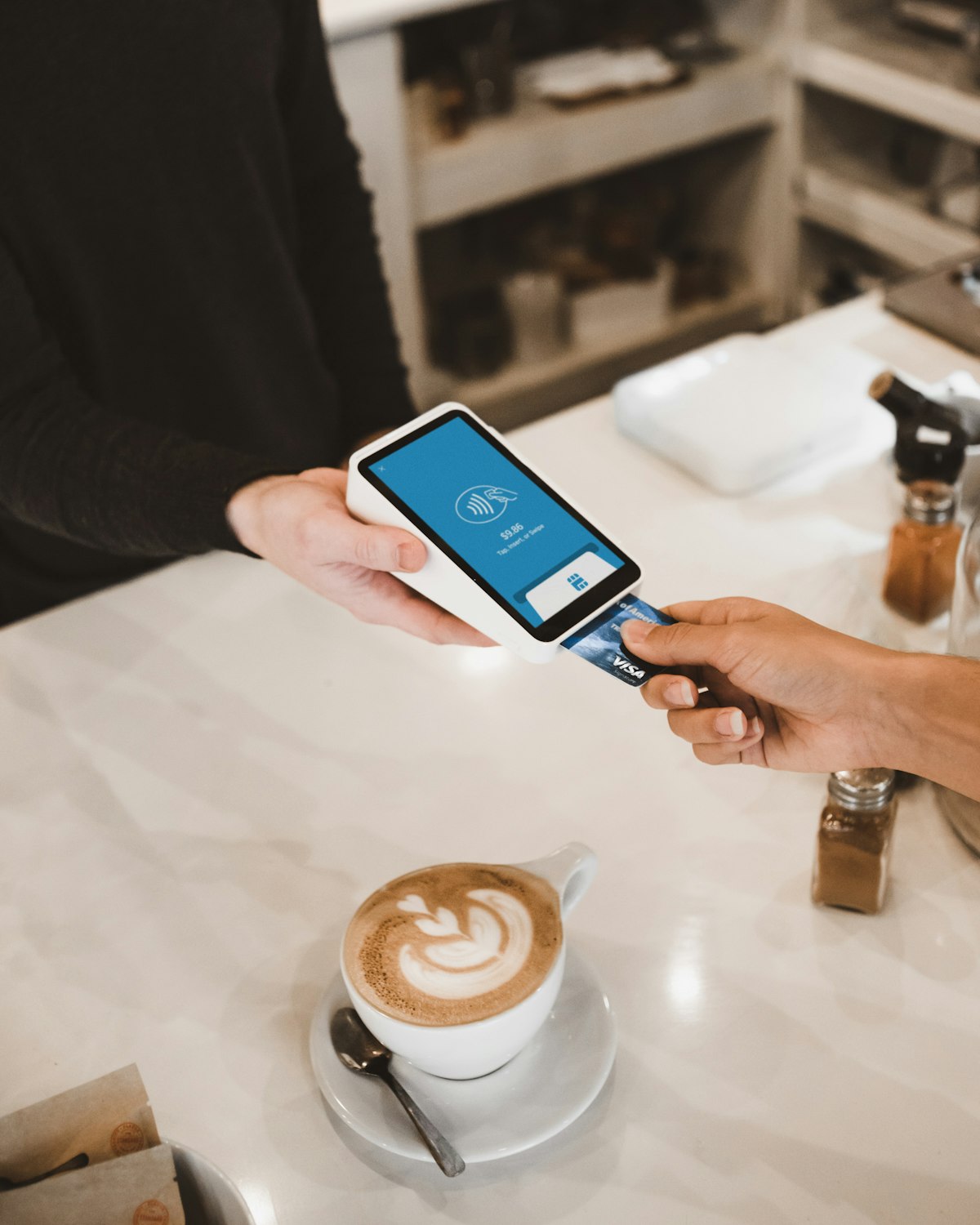
- Table payment: mobile payment without waiting for the server
- Loyalty program: automatic rewards, cashback, digital stamp card
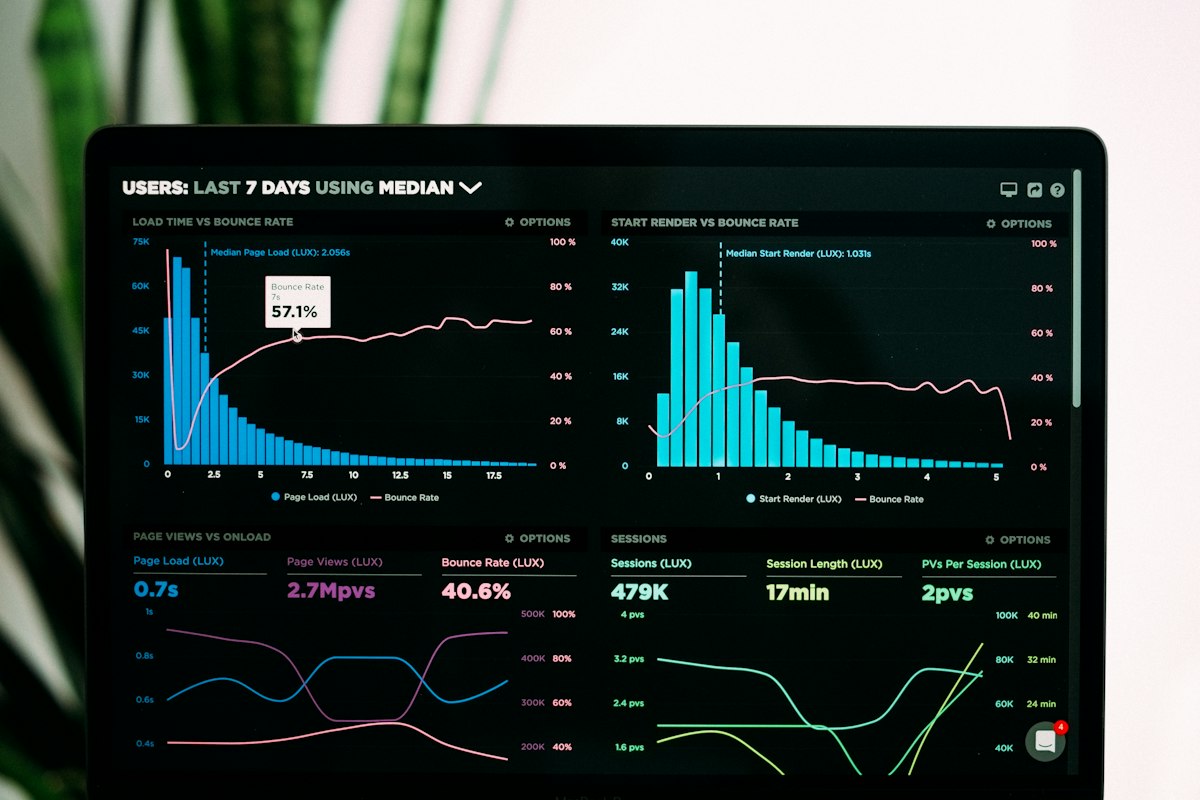
- Analytics and reporting: sales tracking, top dishes, peak hours
- Operational simplicity: number of interfaces and subscriptions to manage
Overview of Available Solutions
POS software: Zelty, Tiller by SumUp, L'Addition
Zelty, Tiller by SumUp, and L'Addition are the French references for POS systems. Inventory management, floor plans, sales reports — their POS coverage is solid. However, QR ordering and mobile payment often require additional modules or third-party partnerships, increasing costs and complexity.
QR ordering: Tabesto, Obypay
Tabesto and Obypay specialize in table ordering via QR code. The customer interface is polished. Their limit: no native mobile payment, no built-in loyalty, no advanced analytics. They are ordering tools, not complete management solutions.
Table payment: Sunday
Sunday has made payment experience its flagship feature, with automatic Google review collection after each meal. But Sunday doesn't handle ordering or loyalty — it's a payment tool that complements a POS, not a replacement for one.
Reservations: Zenchef, TheFork Manager
Zenchef and TheFork Manager excel at online reservation management. Essential for high-demand restaurants, they remain limited to pre-service: in-service management — orders, payment, loyalty — is outside their scope.
Restaurant Software Comparison Table 2026
| Solution | QR Ordering | Mobile Payment | Loyalty | Analytics | All-in-one |
|---|---|---|---|---|---|
| Zelty / Tiller | Add-on module | Partial | Limited | ✓ | ✗ |
| Tabesto / Obypay | ✓ | ✗ | ✗ | Limited | ✗ |
| Sunday | ✗ | ✓ | ✗ | Partial | ✗ |
| Zenchef / TheFork | ✗ | ✗ | Partial | Partial | ✗ |
| Momix | ✓ | ✓ | ✓ | ✓ | ✓ |
Which Software for Which Profile?
You already have a POS and want to add digital features
Tabesto or Obypay for QR ordering, Sunday for mobile payment. That's two additional subscriptions, two interfaces to train your team on, and fragmented customer data across systems.
Starting from scratch or want to simplify everything
Momix covers the entire customer journey — from QR menu to ordering, from mobile payment to loyalty — in a single subscription. One interface, one invoice, one training session for your team.
Managing multiple locations
Zelty and Tiller offer robust multi-site management suited to chains with an existing POS infrastructure seeking centralized reporting.
Fragmented Stack vs Integrated Solution: the Real Cost
Many restaurateurs build their digital toolkit incrementally: an ordering solution one year, a payment tool the next, a loyalty program after that. The result: 3 or 4 monthly subscriptions, scattered customer data, and a team juggling multiple apps during every service.
An integrated solution centralizes everything. Customer data is unified: you know what each customer orders, how much they spend, how often they return — and your loyalty program feeds automatically from this data. This 360° view is structurally impossible with a fragmented stack.
In 2026, the best-performing independent restaurants have made a clear choice: fewer tools, better connected, more time to focus on their guests.