Restaurant Management Software: The Guide to Making the Right Choice
The restaurant management software market is crowded: POS systems, table ordering solutions, mobile payment tools, loyalty programs... It's hard to know where to start. This guide helps you identify what you actually need and avoid common pitfalls.
Essential features
Good restaurant management software must cover at least these six areas:
- Menu management: real-time modification of dishes, prices, photos and availability
- Order taking: tablet input for servers or direct customer ordering via QR code
- Kitchen transmission: automatic tickets sent as soon as the order is confirmed
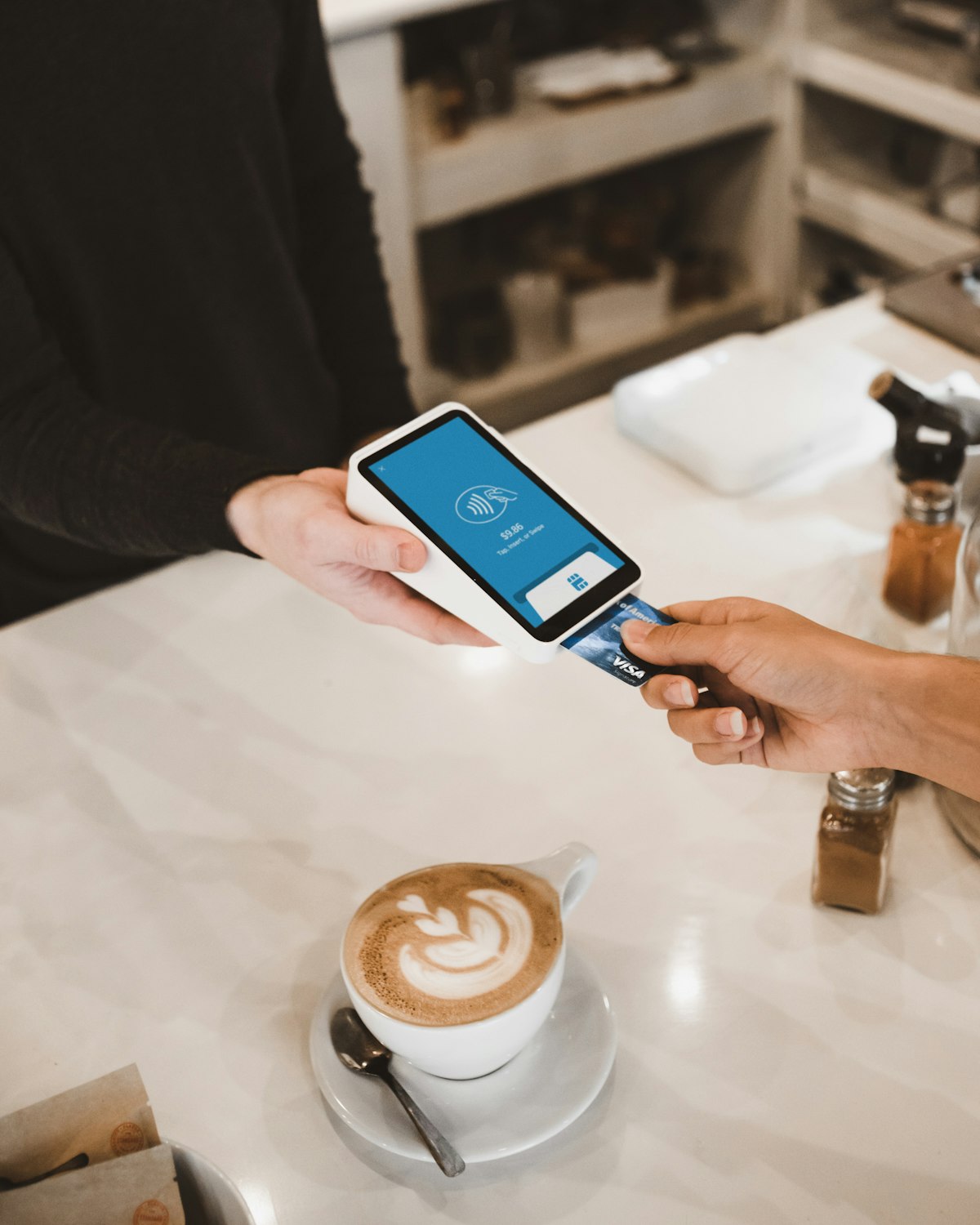
- Payment: card, cash, split payment, mobile — all options without external terminals
- Analytics: revenue, top dishes, peak hours, average basket
- Loyalty: automatic program that rewards customers without management overhead
All-in-one vs. specialized tools
Many restaurant owners assemble multiple tools: a POS, a digital menu, a payment solution, a loyalty app. The result is often stacked contracts, multiple interfaces to learn, and siloed data that don't communicate.
An all-in-one solution like Momix centralizes all modules in a single interface. Data is shared: your loyalty program knows what the customer ordered, your analytics integrate both orders and payments. This is what gives you a real view of your business.
Often overlooked criteria
- Ease of use: staff turnover is high in restaurants — new hires must learn quickly
- Responsive support: a bug during Friday dinner service must be resolved in minutes, not days
- Automatic updates: regulations change (allergens, GDPR, payment standards) — your software must keep up
- Hardware compatibility: does it work on tablets, phones and kitchen screens without proprietary hardware?
How to evaluate ROI
ROI from restaurant management software comes from: reduced service time (faster table turnover), higher average basket (automatic suggestions), fewer errors (cost of remade dishes), and improved retention. Momix clients achieve return on investment in an average of 3 months.