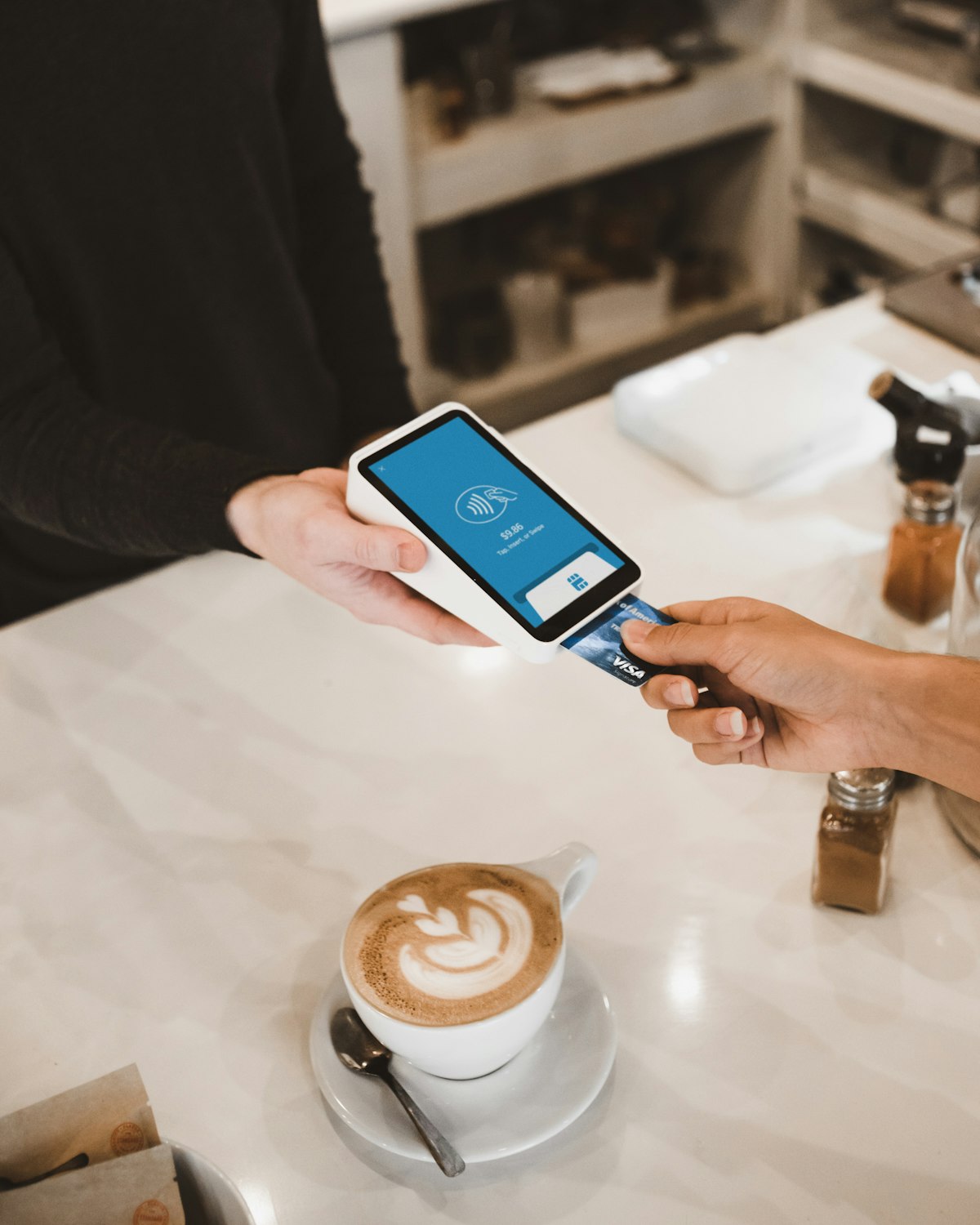
Restaurant Mobile Payment: What Changes for You and Your Customers
The bill is often the most frustrating moment for customers: waiting for the server, waiting for the card machine, splitting the bill manually. Mobile payment eliminates these frictions. But which solutions should you choose, and what does it concretely change for your restaurant?
Mobile payment options for restaurants
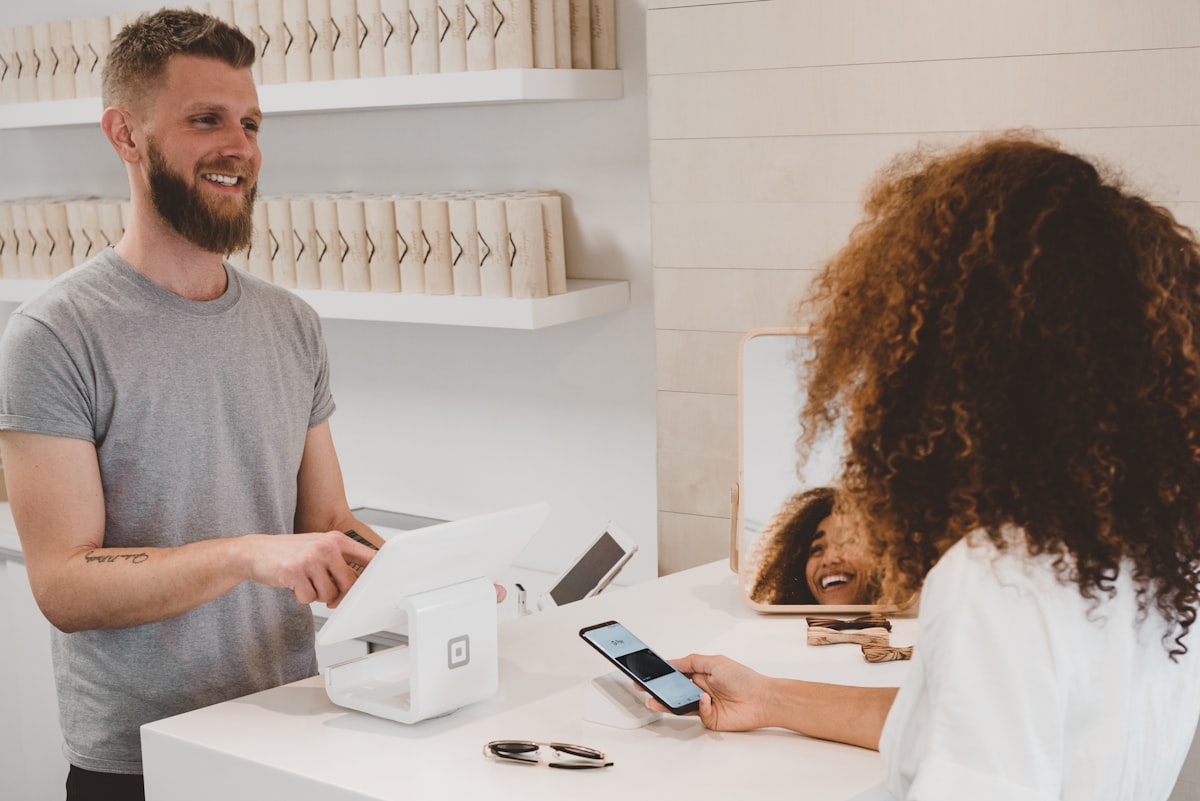
- QR code table payment: the customer scans the QR code, pays from their phone by card, Apple Pay or Google Pay, and receives their receipt by email
- Split payment: each guest pays their share from their own phone — no more manual bill splitting
- Mixed payment: part by card, part in cash, with automatic deduction
- Deferred payment: option to pay when leaving, without waiting during the meal
What it changes for your service
The most direct effect is reduced table turnover time. In a traditional restaurant, the bill takes an average of 8 to 12 minutes. With mobile payment, this drops to under 2 minutes. Over a service of 80 covers, that can mean 2 to 4 additional tables served.
Your servers, freed from managing payment terminals, can focus on hospitality and upselling — naturally increasing the average basket.
Security
All payments through Momix comply with the PCI-DSS standard, the international security standard for card transactions. Bank data never passes through your servers in plain text. Customers pay with the same level of security as a trusted e-commerce site.
How to implement it
With Momix, mobile payment is integrated into the QR code menu — no additional physical terminal required. Customers go from ordering to payment in the same interface. Setup takes less than an hour.