Reducing Wait Times in Your Restaurant: What Actually Works
Wait times are the top source of customer dissatisfaction in restaurants. Research shows that 67% of customers who don't return cite waiting as the main factor — even before food quality. Reducing wait times is not just a comfort issue: it's a direct lever for retention and revenue.
Where do minutes get lost during service?
To act effectively, identify the bottlenecks:
- Order taking: 4 to 6 minutes waiting before a server takes the order during peak hours
- Kitchen transmission: 1 to 2 minutes lost if the server walks to the kitchen to relay the order
- Payment and bill: 8 to 12 minutes on average — often the most frustrating wait of all
Total: 15 to 20 minutes of unproductive time per table — time during which your customer waits without enjoying their experience.
Table ordering: eliminating the server round-trip
With a QR code ordering system, customers order directly from their phone. The ticket goes instantly to the kitchen, no server trip required. Time savings are immediate: from 4 to 6 minutes waiting to order, you drop to zero. Your servers can manage more tables simultaneously and focus on service quality.
Mobile payment: eliminating the bill wait
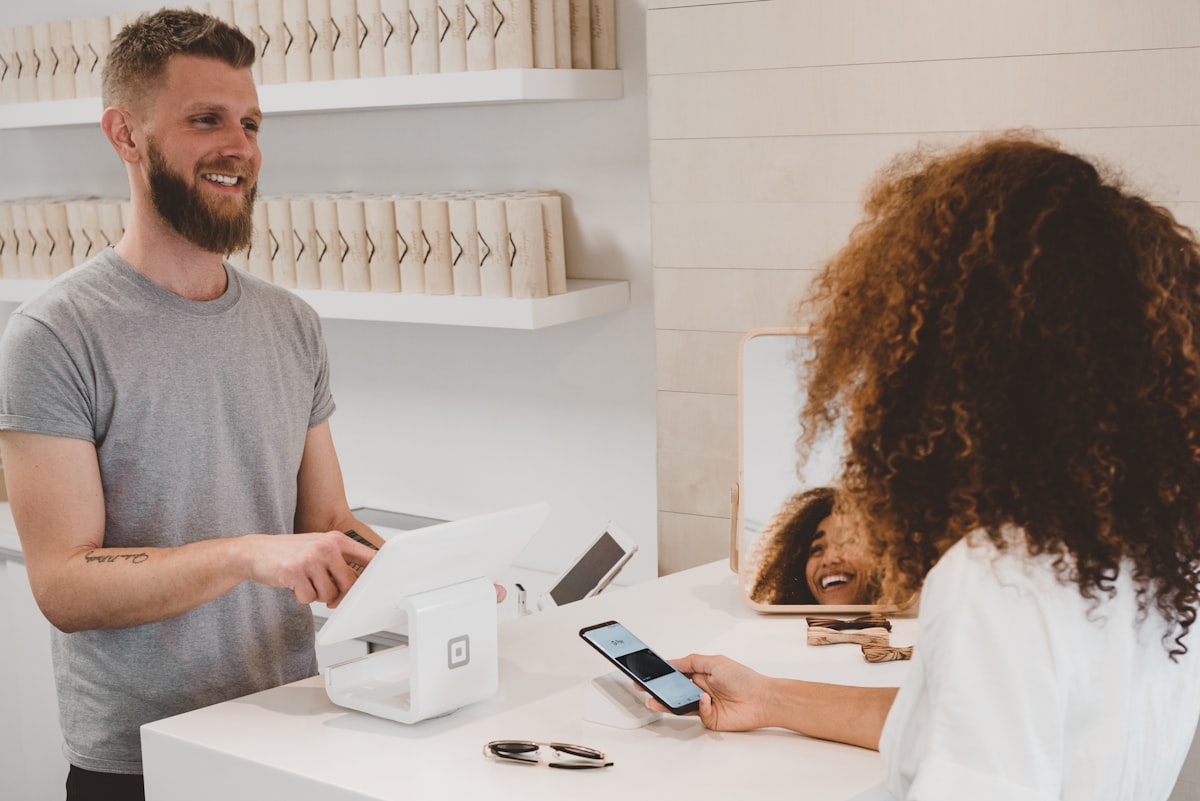
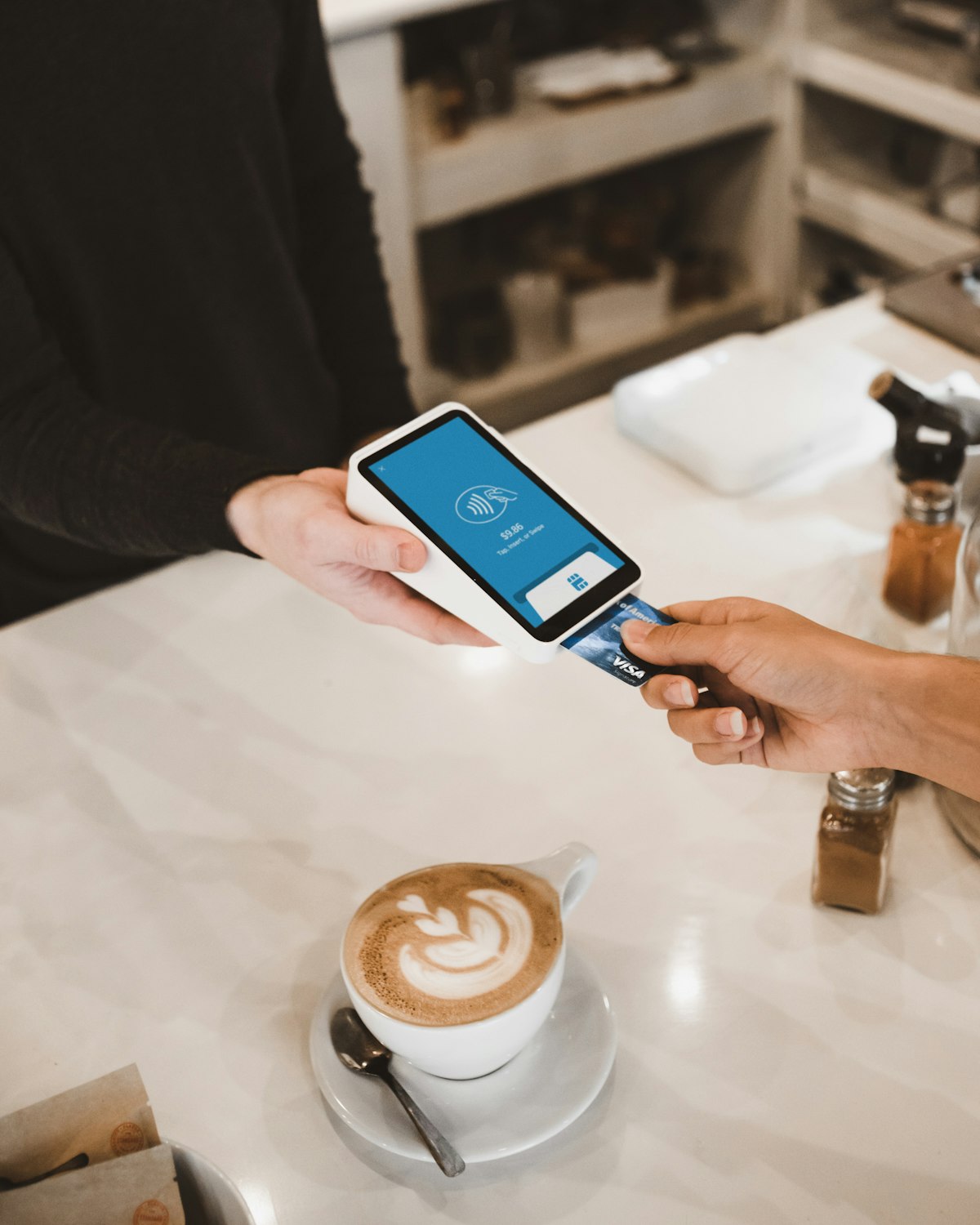
QR code table payment lets customers pay whenever they're ready, without waiting for a server. The table is freed faster, improving your turnover rate. For a restaurant that turns tables twice per evening, going to 2.5 turns is a 25% revenue increase without a single additional cover.
Automatic kitchen transmission
Order errors generate extra delays: a dish remade, a server returning to explain, a dissatisfied customer. With automatic digital order transmission, manual errors virtually disappear. Our data shows a 95% reduction in order errors at Momix restaurants.